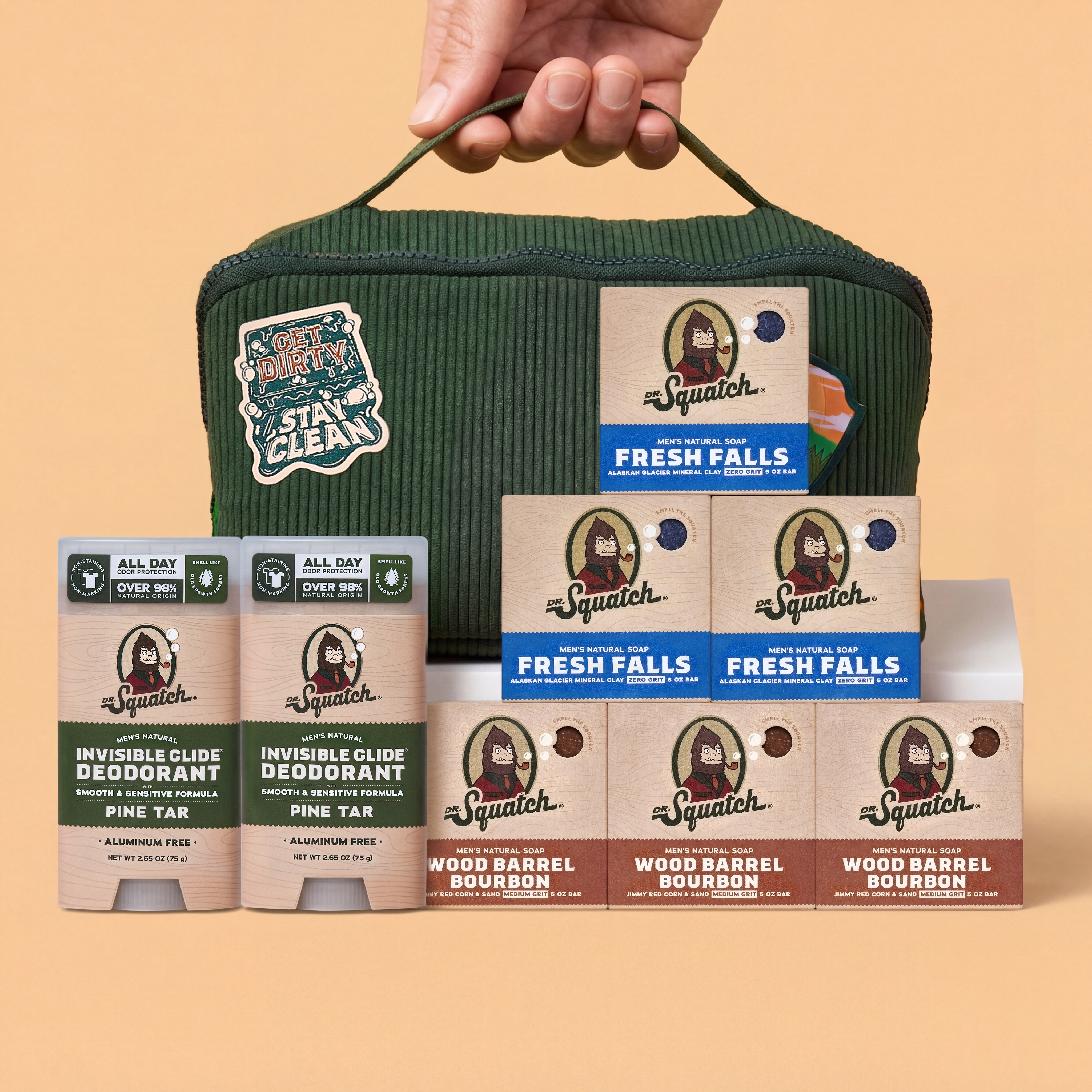
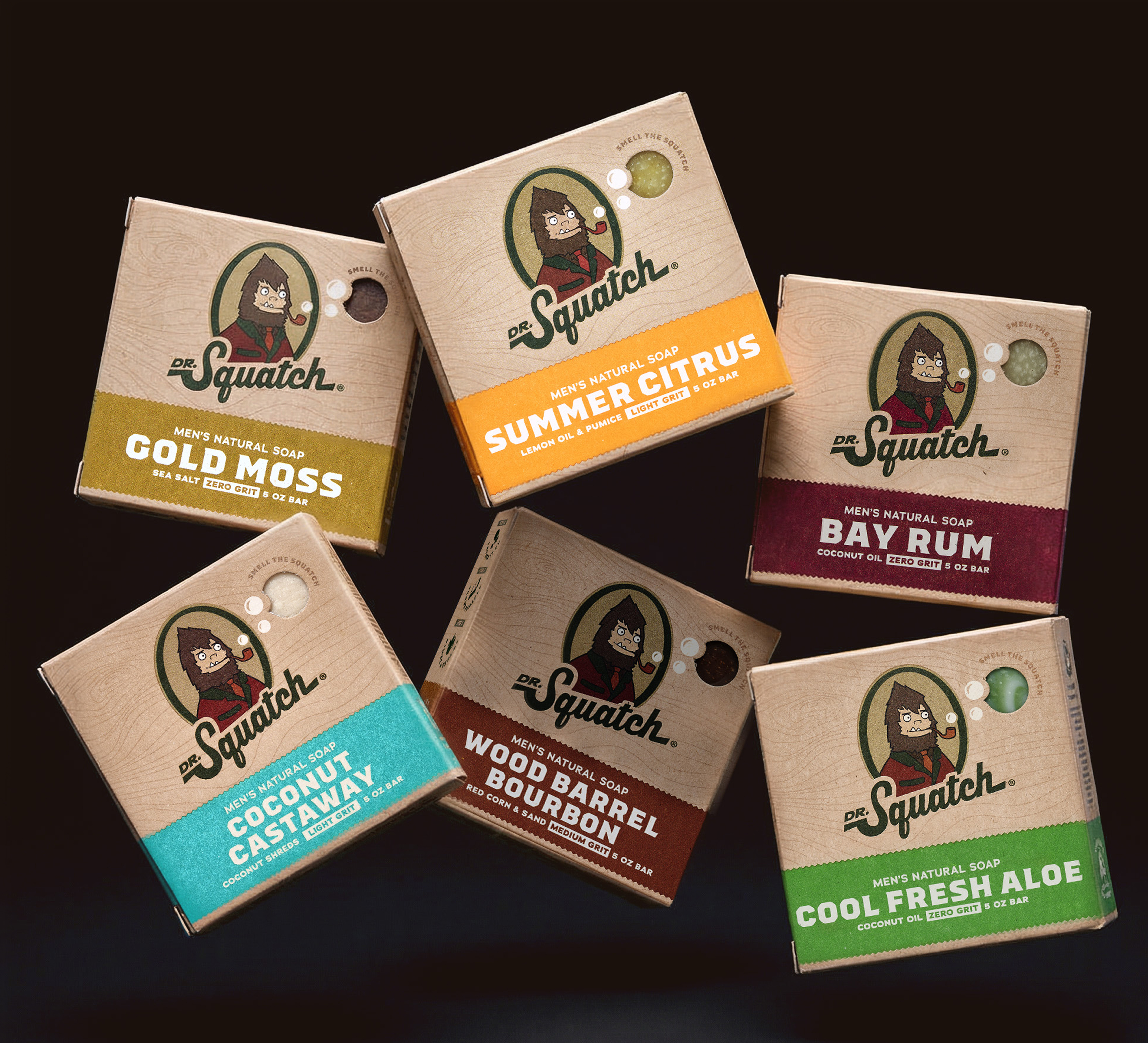
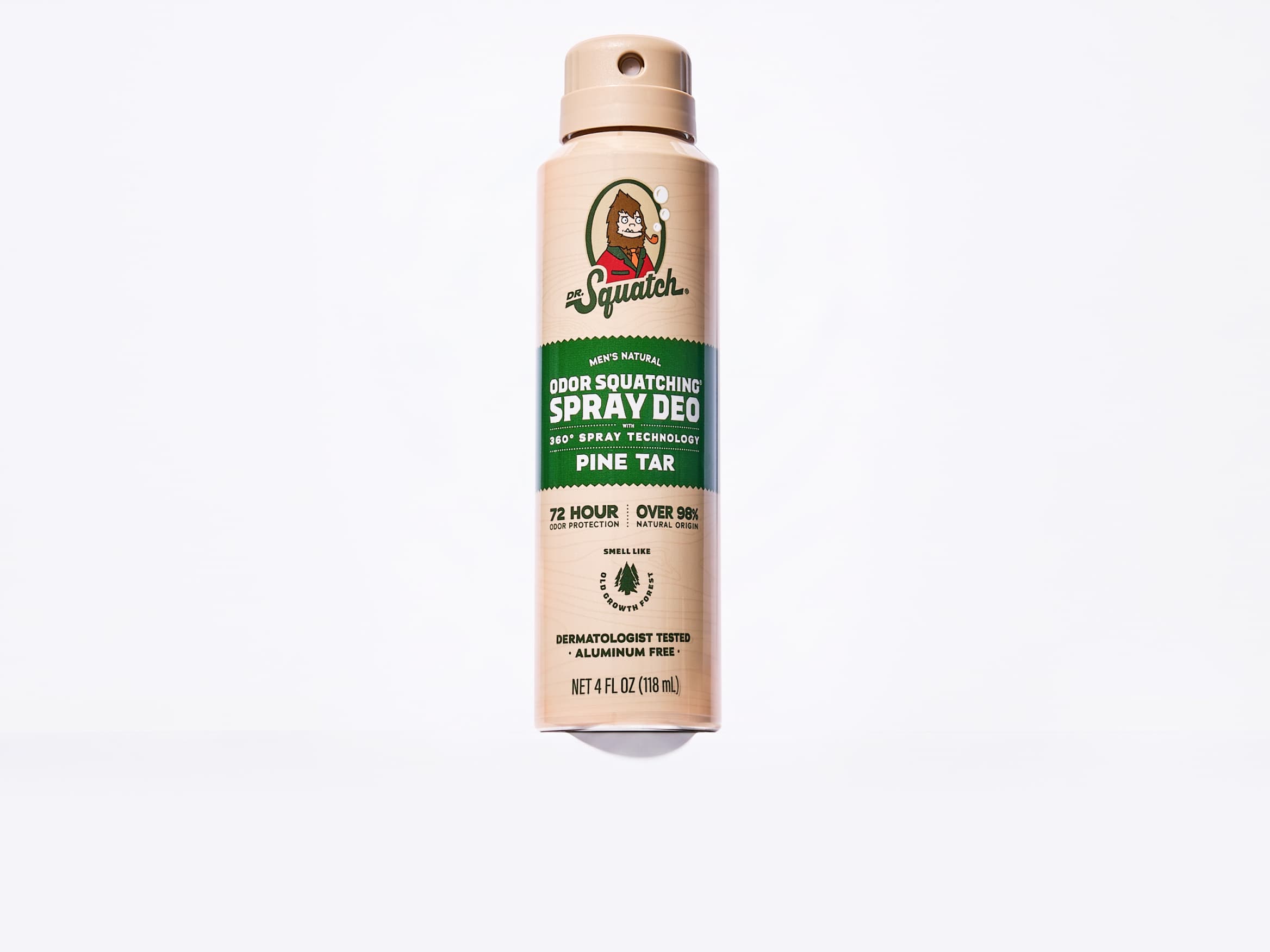
Dr. Squatch project hero
Dr.Squatch
CMS Migration · Growth · Features · Design System
E-Commerce DTC Design System Headless CMS Conversion Rate Optimizations End to End Process UX Framework

UX Framework

Diagnosis

I didn't start with Figma. I started by walking the site.

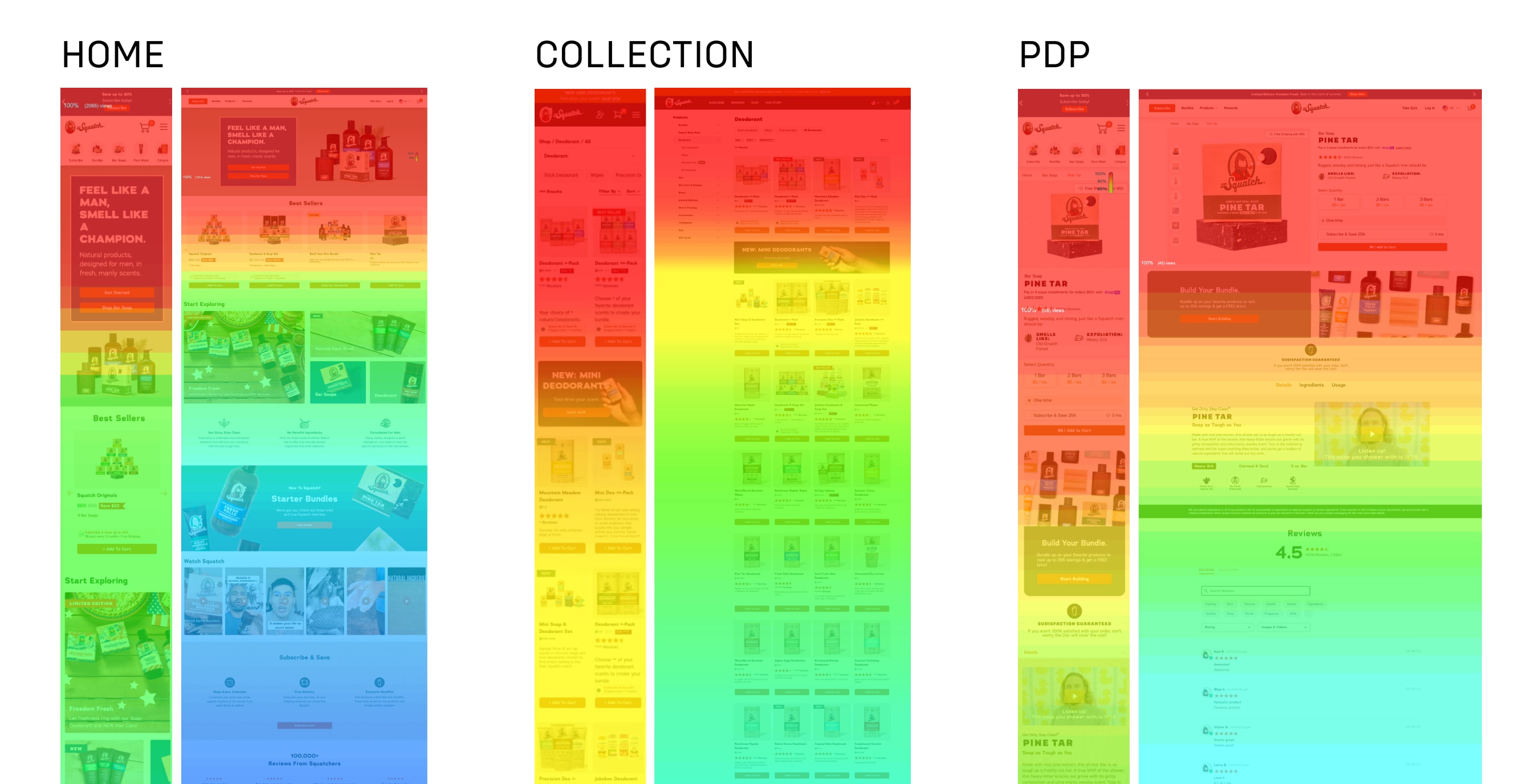
My first weeks were a heuristic walkthrough of the full experience. I paired that with team conversations, a competitive audit of other DTC personal care brands, and scroll depth data from Hotjar.

The pattern was clear. Users were landing, engaging, and showing interest, but the experience had more room to guide them toward the next step.

Two issues kept surfacing.

Clearer paths forward. Pages were built in isolation, creating an opportunity to connect more moments across the journey. Discoverability needed to become intentional.

More confidence at decision time. Dr. Squatch sells a product that benefits from education, proof, and sensory detail. The opportunity was to bring that information closer to the moments where users decide.

These patterns pointed to a larger opportunity: creating a connective framework that could support a growing site and a broader product story.

Hotjar scroll-depth and engagement data from the Dr. Squatch site audit

Solutions

To build on those structural and informational opportunities, I developed two UX frameworks that would work in tandem across the Dr. Squatch digital experience.

Driftwood established intentional entry and exit points throughout the site, ensuring users always had a clear path forward and improving discoverability across the experience.

Lighthouse brought the right information to the surface at the right moments, strategically placing product education and trust signals where users were most likely to need them before making a purchase decision.

Together they gave the experience a stronger connective backbone, designed equally for the user who wants to feel guided, and the business that needs them to convert.

Lighthouse

Strategically surface education, trust signals, and product information at the exact moments users need them, so they feel confident enough to convert.

Opportunity

"Users need the right product information at the right moment to make confident purchase decisions."

Driftwood

Intentionally design entry and exit points throughout the experience so users always have a clear path forward, creating connected paths and improving discoverability.

Opportunity

"Users need clearer pathways that keep them connected to relevant products and next steps."

Turning UX Gaps Into Shipped Modules

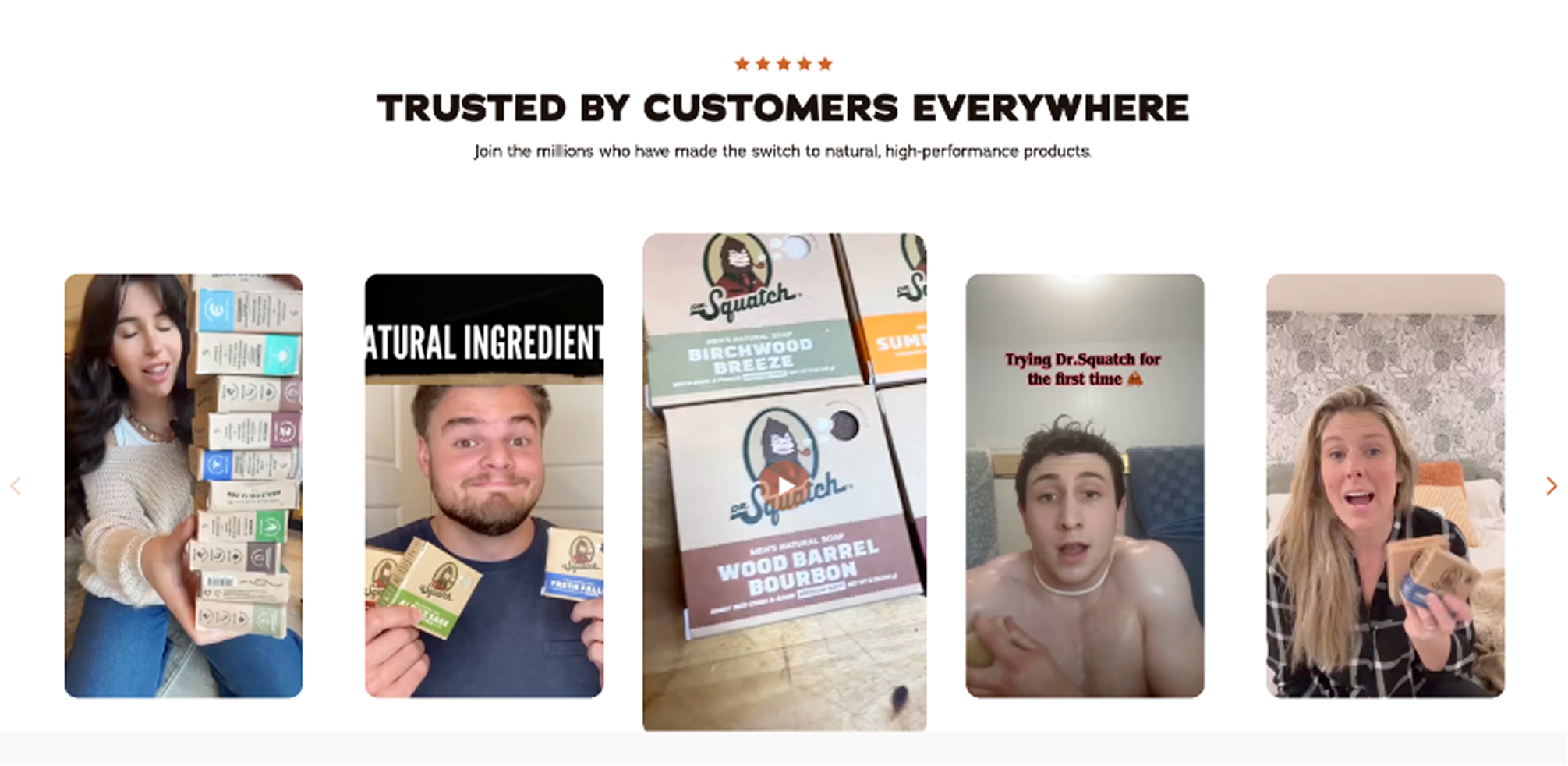
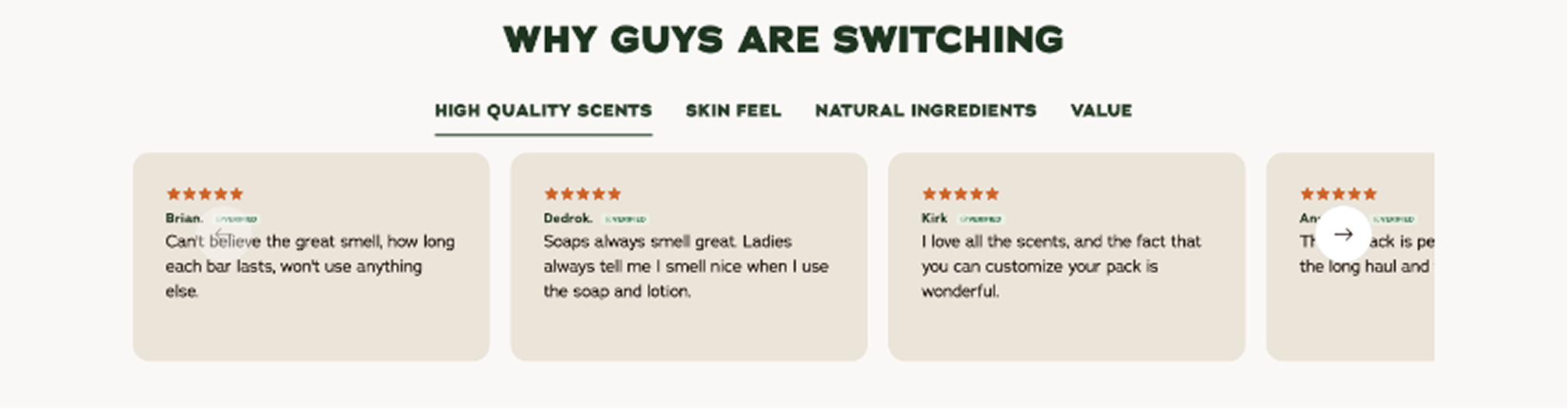
Social Proof
OpportunityBuild confidence closer to purchase.
User needShoppers needed proof before they felt ready to buy.
Design moveBring real customer content closer to purchase moments.
UGC + reviewsVideowise carousel and review carousel.
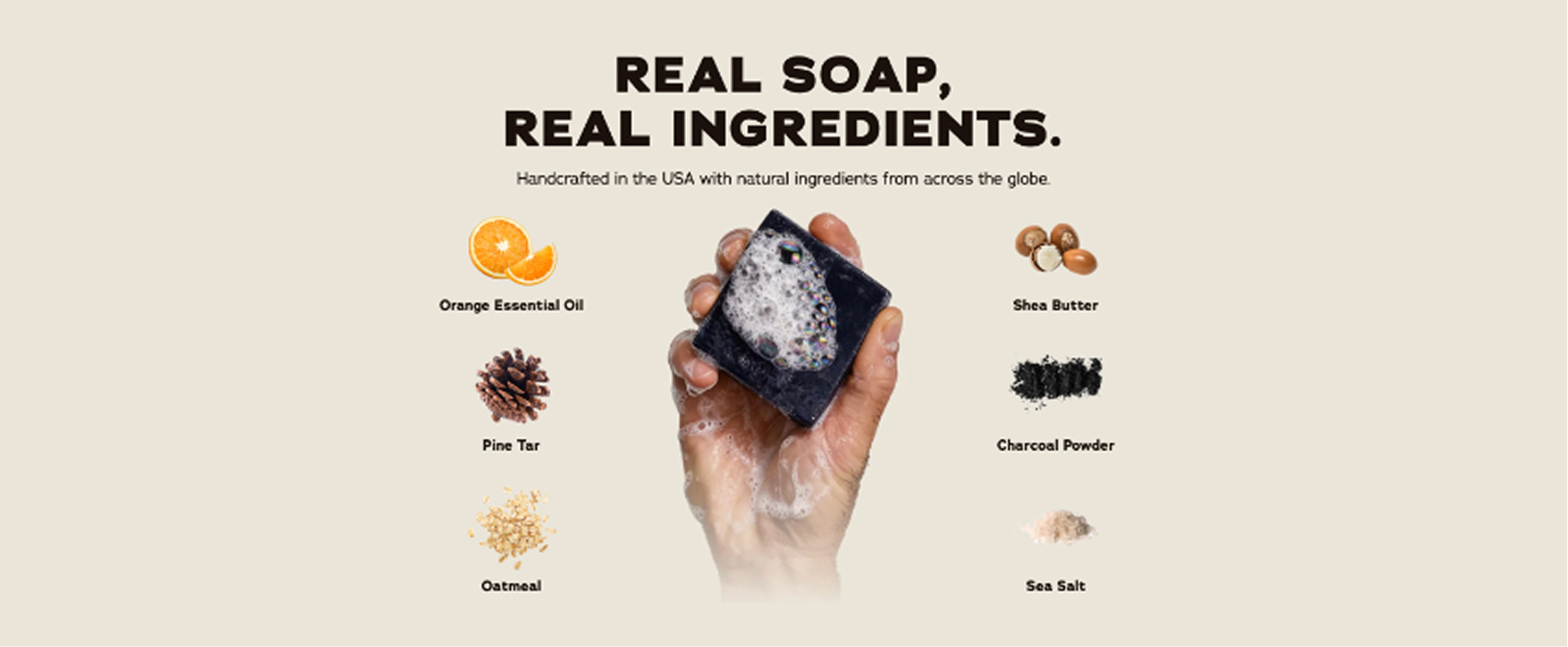
Product Education
OpportunityGive shoppers answers without making them hunt.
User needKey product details needed to be easier to find at decision time.
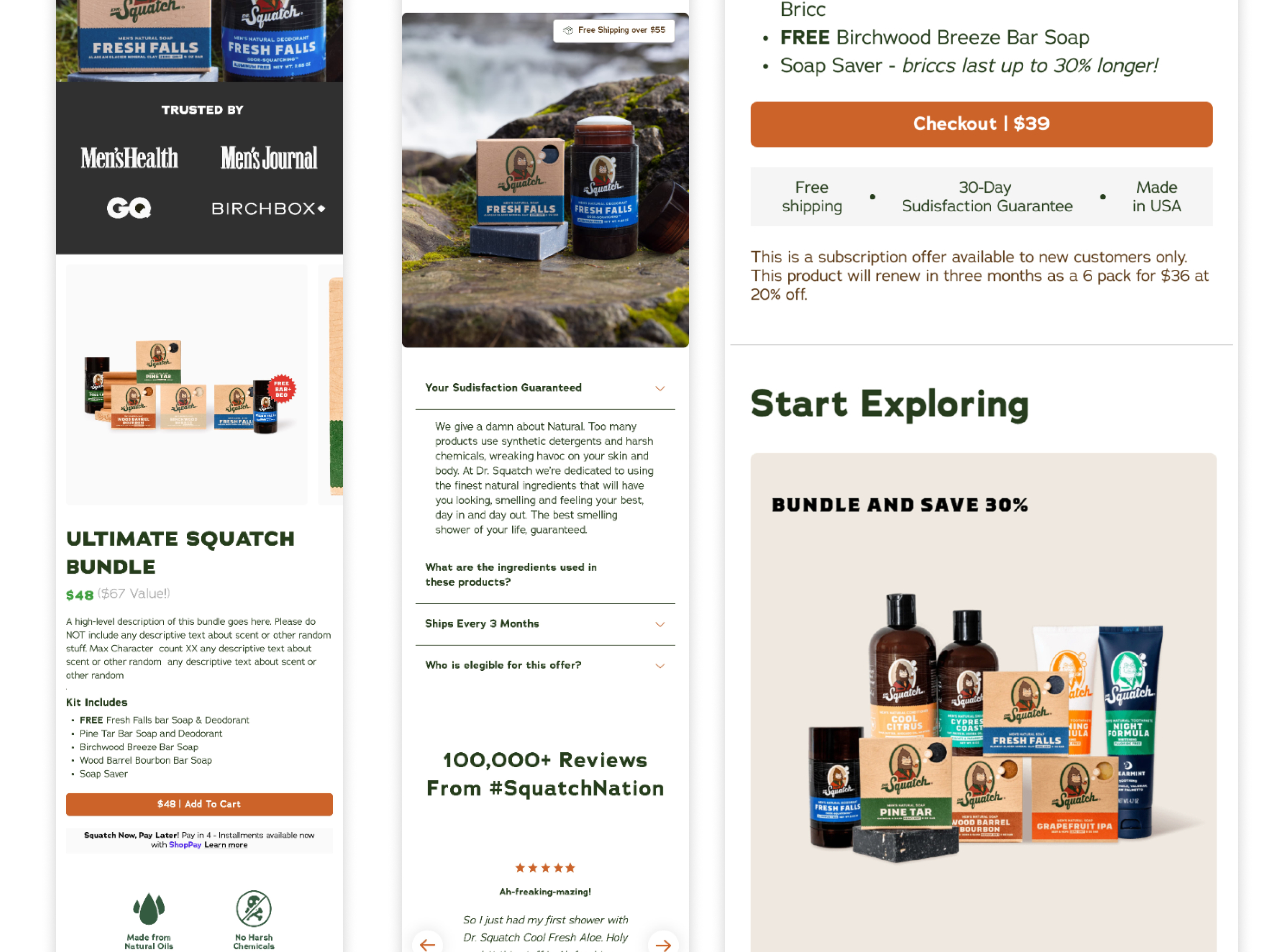
Design movePut ingredients, scent, grit, size, and shipping in the buy area.
Buy box accordionVital info surfaced without leaving the PDP.
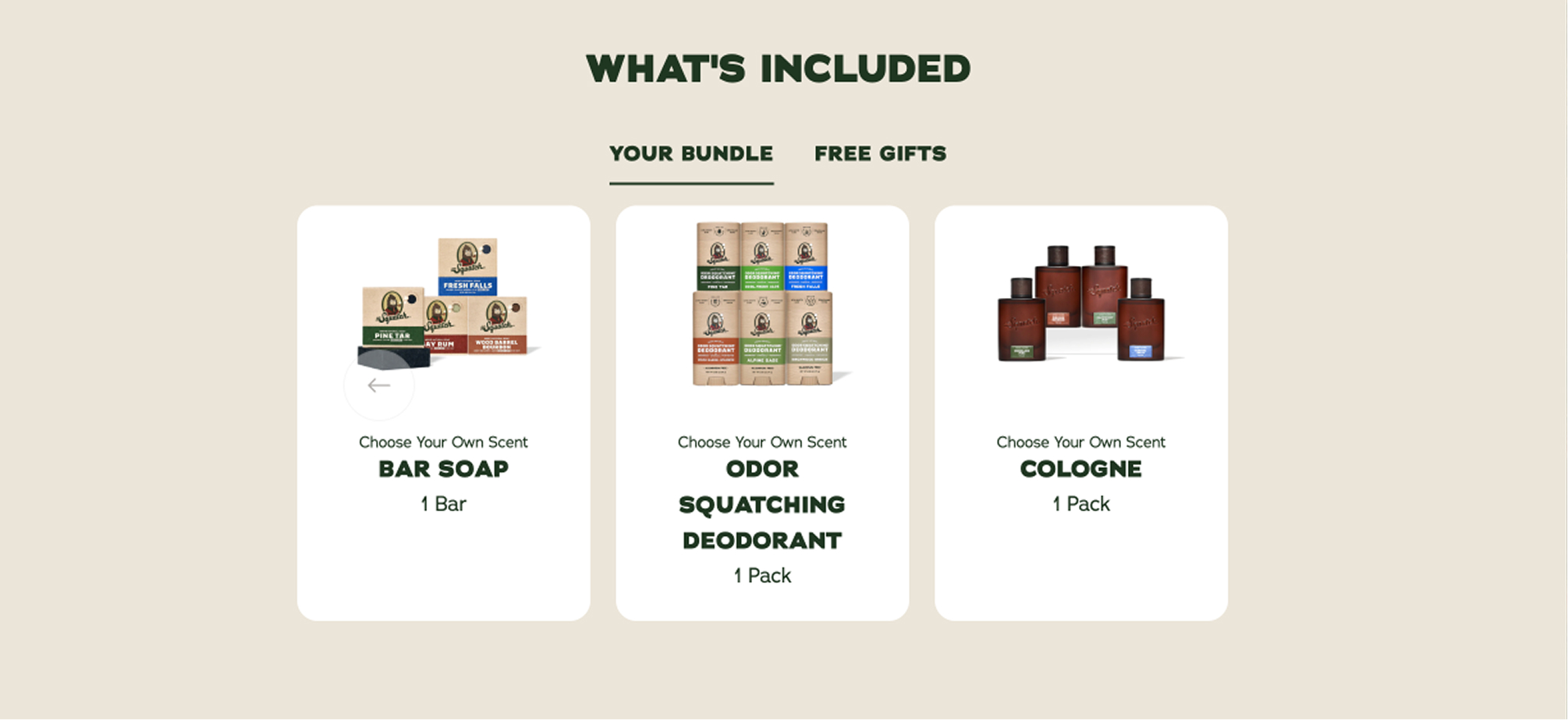
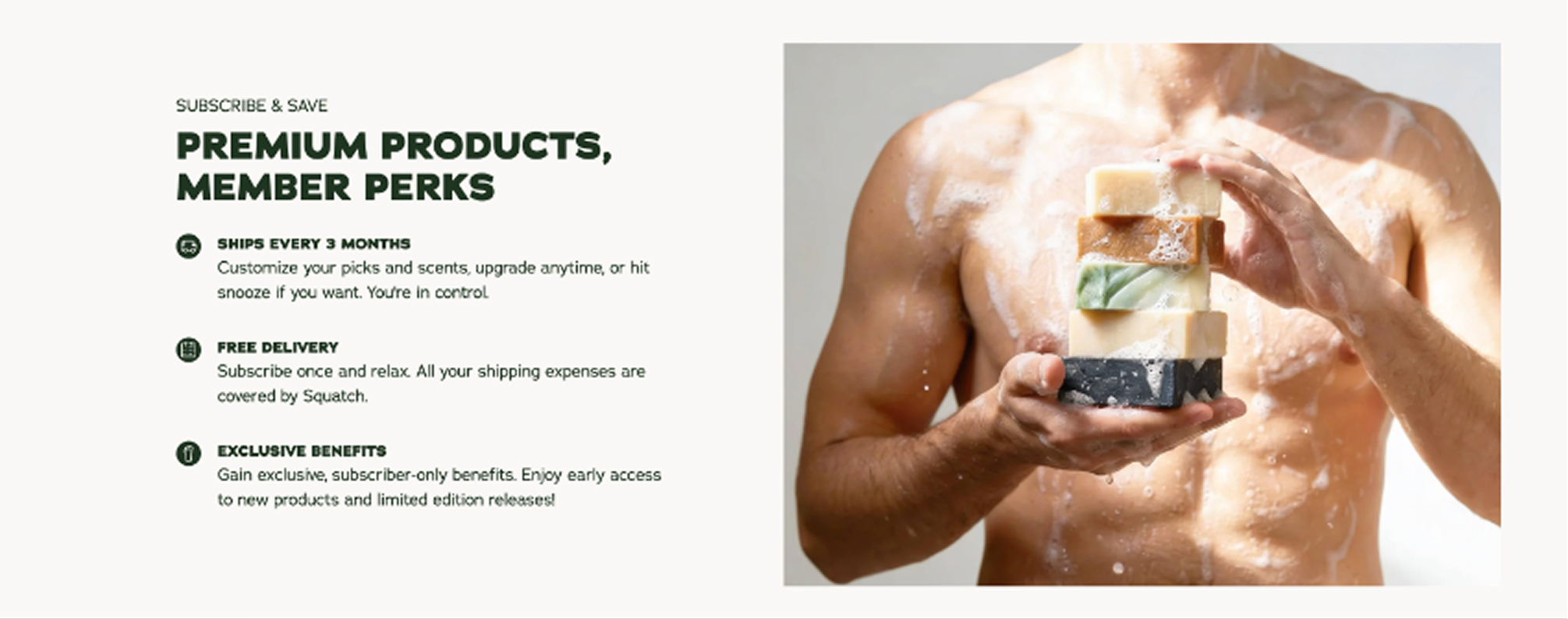
Bundle Clarity
OpportunityMake the offer feel obvious at a glance.
User needBundles needed to be easier to understand at a glance.
Design moveShow every product and scent before the user has to commit.
What's included gridA clear inventory of the offer.
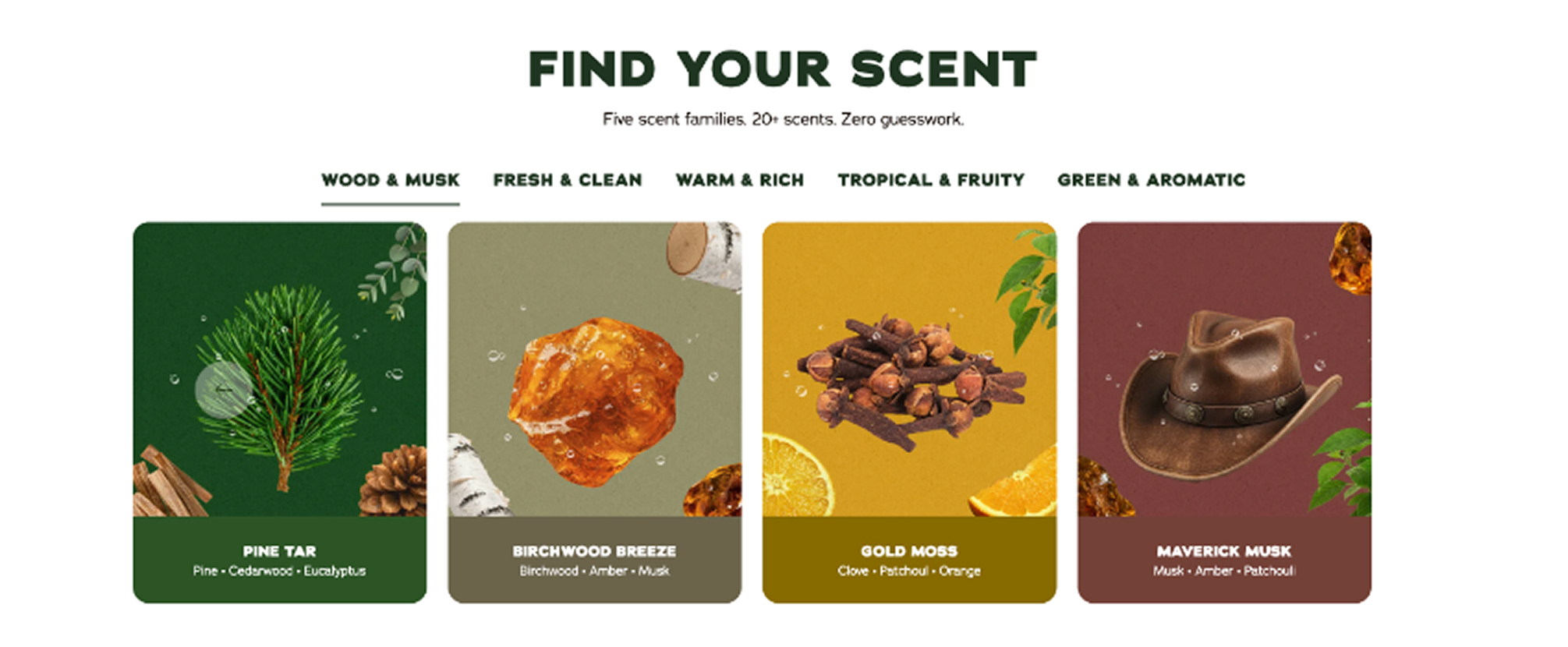
Scent Information
OpportunityHelp shoppers compare products more confidently.
User needUsers needed stronger scent cues before choosing a product.
Design movePlace scent notes where shoppers already compare products.
Scent notesBuy box and product card details.
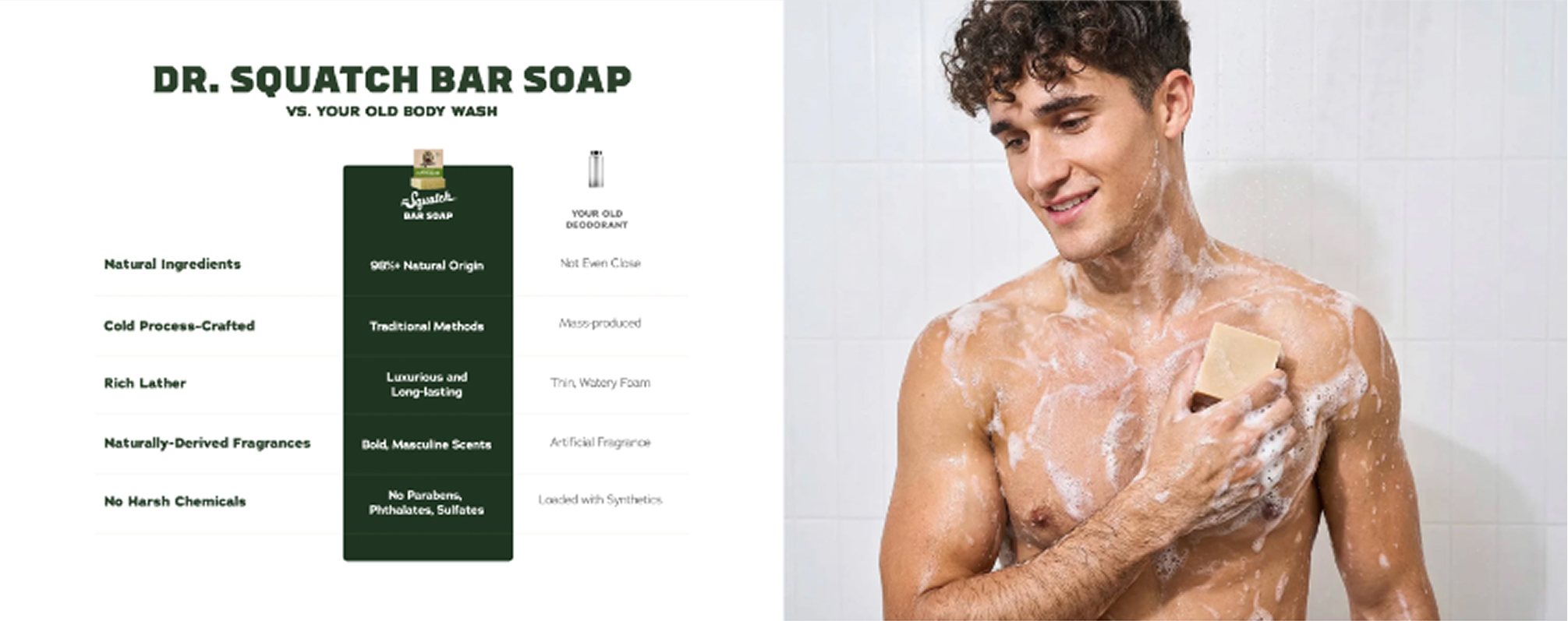
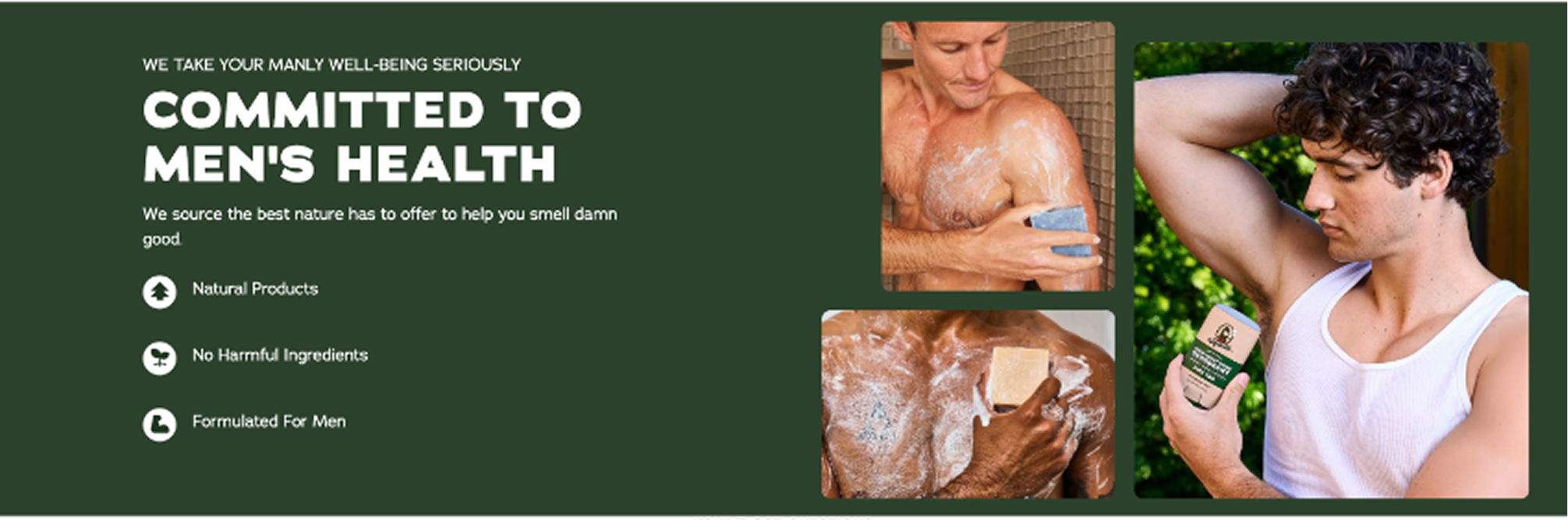
Value Props
OpportunityMake the brand difference easier to understand.
User needUsers needed a clearer explanation of what made Dr. Squatch different.
Design moveTurn brand values into page sections with clear entry points.
Value sectionsHumor block and men's health hero.

Sections Curation.

Intentionally building confidence and inform users

Growth Design

NCO Landing Page System

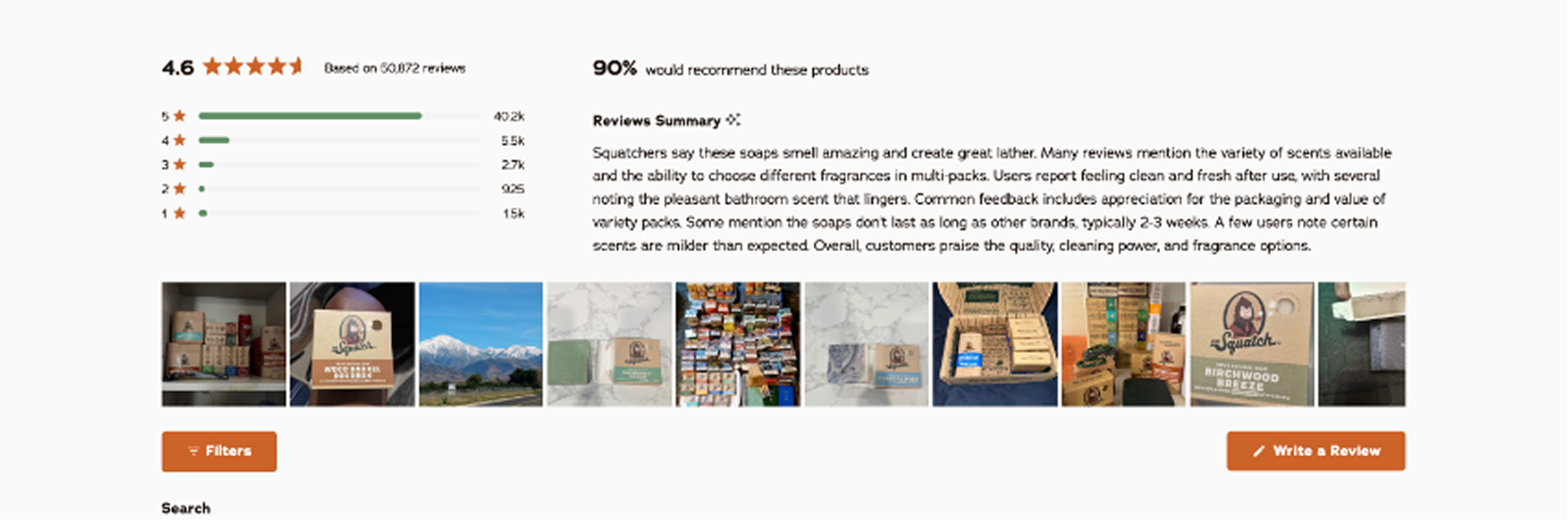
I inherited NCO landing pages that were built to ship quickly: product image, price, buy button. They worked as destinations, but they did not work hard enough as acquisition experiences.

I rebuilt the approach into a repeatable landing page system around product story, offer clarity, education, social proof, and a low-friction path to purchase. Each page was designed to answer the questions a cold shopper would have before they were ready to buy.

Read the full growth story

When I joined Dr. Squatch, the NCO landing page program had a clear business purpose: acquire new customers from paid traffic. But the page experience itself was still thin. Most pages were built around the basics: show the product, show the price, give the user a way to buy. That left a lot of persuasion work unfinished.

The opportunity was to treat each page less like a static product destination and more like a structured acquisition experience. A cold shopper needed context before committing: what the offer included, why the product mattered, what made the bundle valuable, how the scents or ingredients worked, and whether other people trusted it. I started designing pages around those moments of uncertainty.

That became a repeatable system. Each landing page could flex around a different campaign, but the underlying formula stayed consistent: a strong product story, clear offer framing, useful education, social proof, bundle clarity, and a purchase path that did not make the user work to understand what to do next.

The impact scaled with the system. Since joining in early 2024, I have designed and owned 22+ NCO landing pages, including the current top-performing new-customer pages. Those pages have driven $17M+ in measured ad spend, acquired 55K+ new customers, and now support nearly $977K/month in acquisition spend at roughly 64% contribution margin.

Old NCO landing page framed screenshot
Old Experience

Before

The original page set the baseline: functional, with an opportunity to add stronger proof, education, and guidance for cold traffic.

Section 01 / 13

Hero

Clarifies the offer fast with what is included, savings, and a direct path to buy.

AI Assisted Creative

I used image models as a creative production tool for landing pages, especially when a campaign needed stronger product-context imagery than the available photography could support.

The goal was not to make decorative AI images. It was to move faster from concept to testable creative, explore stronger compositions, and create product visuals that helped users understand the offer faster. Models used included Google Nano Banana Pro and Seedream.

Pumpkin campaign AI image build sequence
Dopp kit AI image build sequence

AI Generated Assets

Tested Patterns

After enough sections tested well with users and pages started performing consistently, the winning pattern became clear: lead with a strong product hero, make the offer easy to understand, explain the product at the right moment, add proof, then make the purchase path feel obvious.

That learning turned growth design from one-off page creation into a system. Each new landing page could start from what already worked, then adjust the story, education, proof points, and offer structure for the campaign.

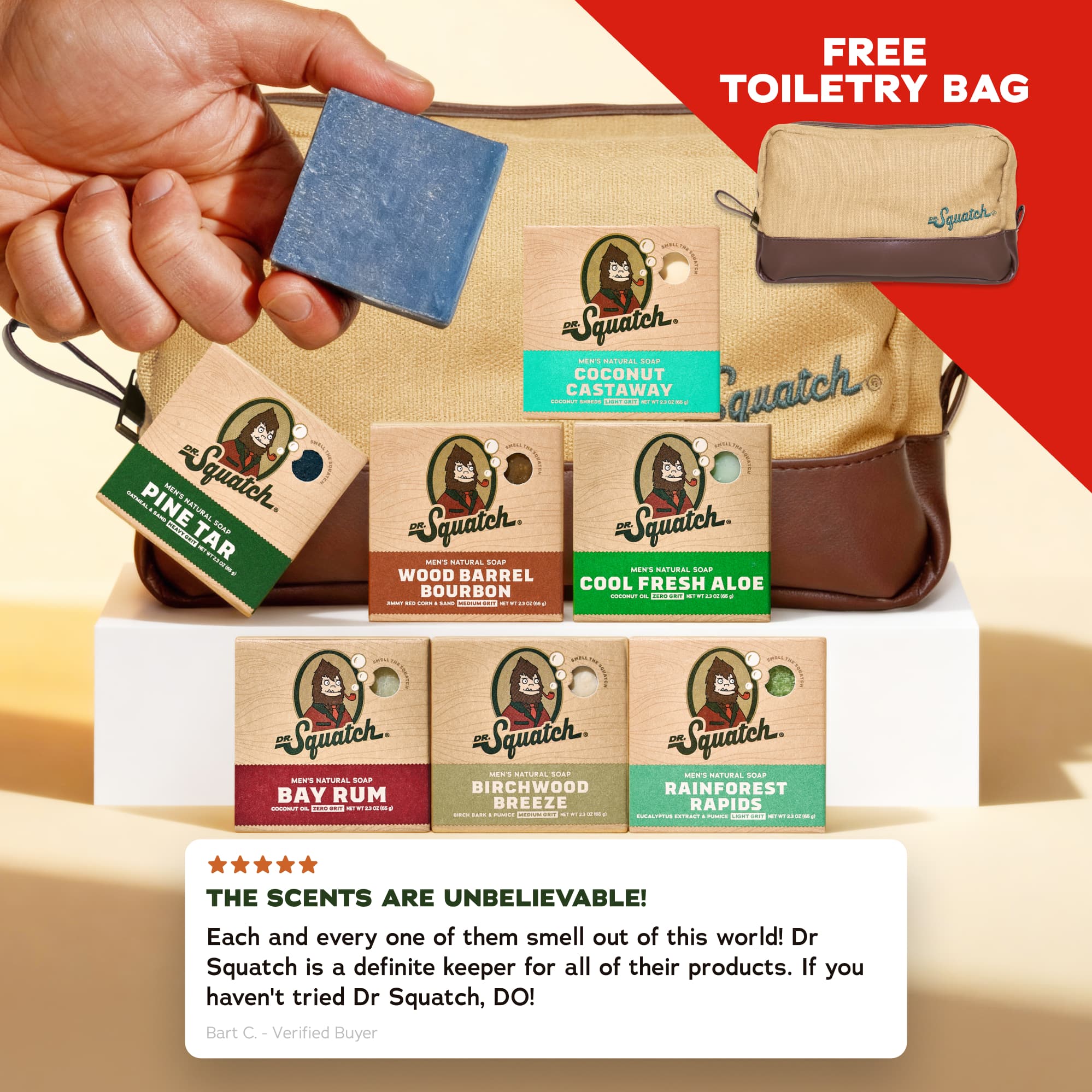
Winning Hero Image
Every Element Earns Its Place
Each visual cue is intentional — working together to communicate value, build trust, and reduce friction at first glance.
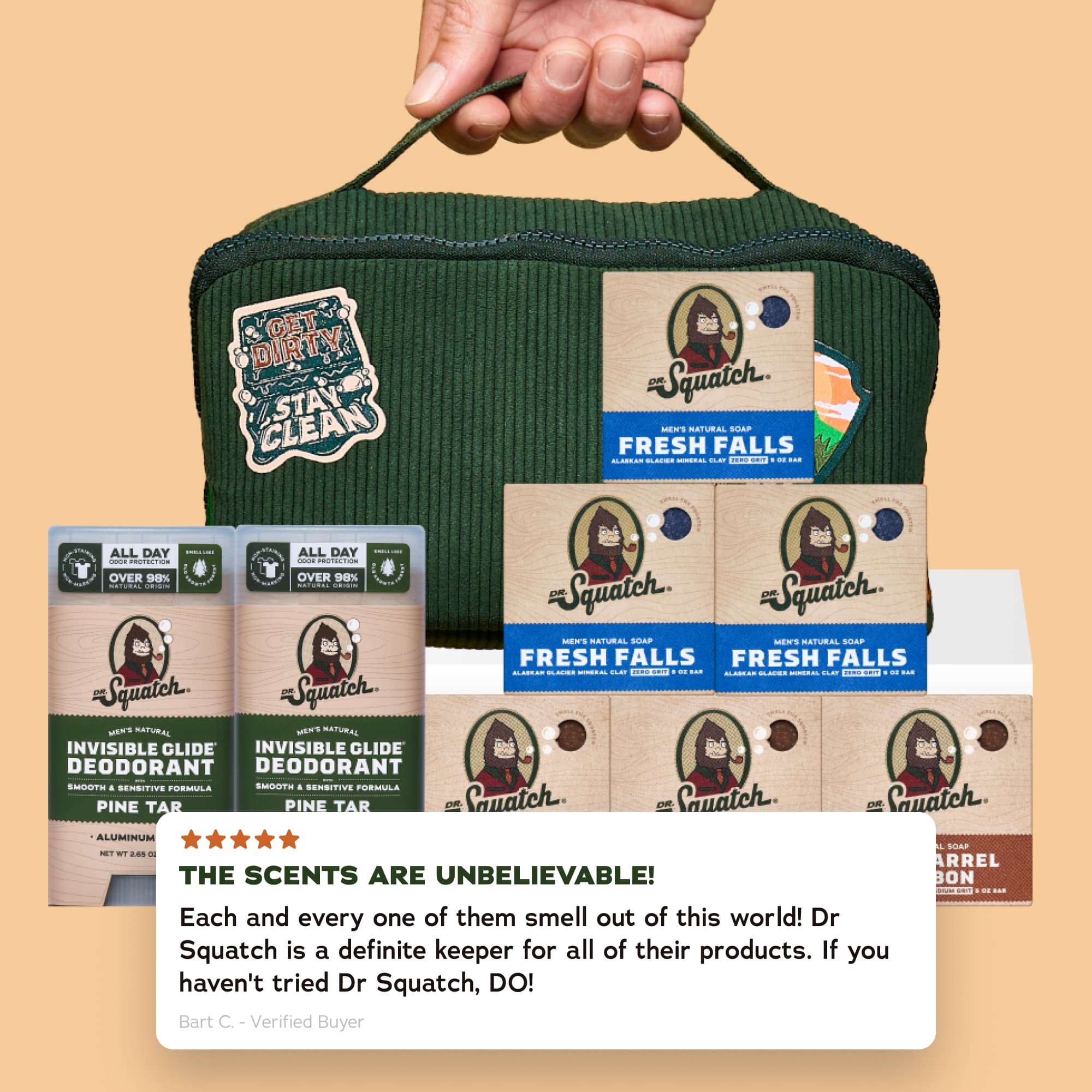
Dr. Squatch winning hero image annotated with conversion design cues
Hand Human size reference
Real Reviews Social proof & trust
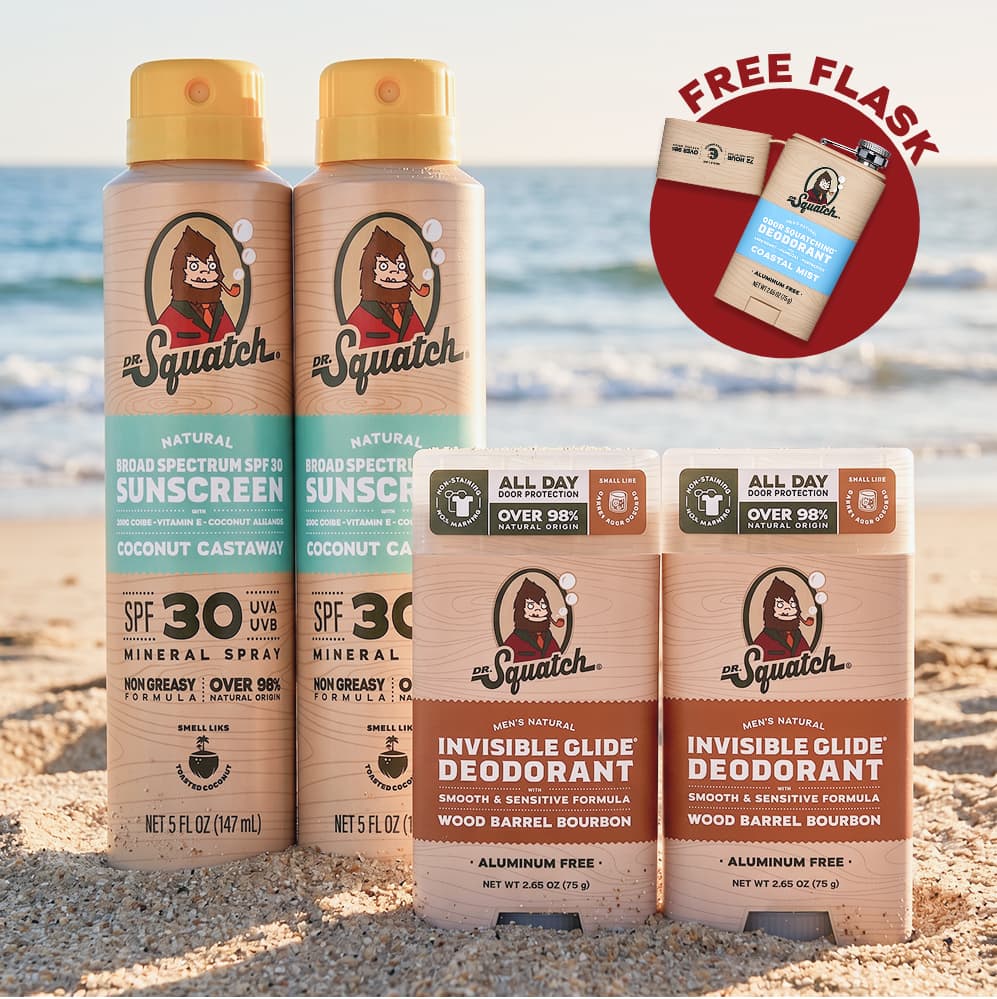
Red Corner Free product callout
Bag Icon Free product image
Free Gift in Context Size vs. other items
  • HandHuman size reference
  • Red CornerFree product callout
  • Bag IconFree product image
  • Free Gift in ContextSize vs. other items
  • Real ReviewsSocial proof & trust

Winning Carousel Image Formula

Hero carousel image
HeroLead with product value.
Reviews carousel image
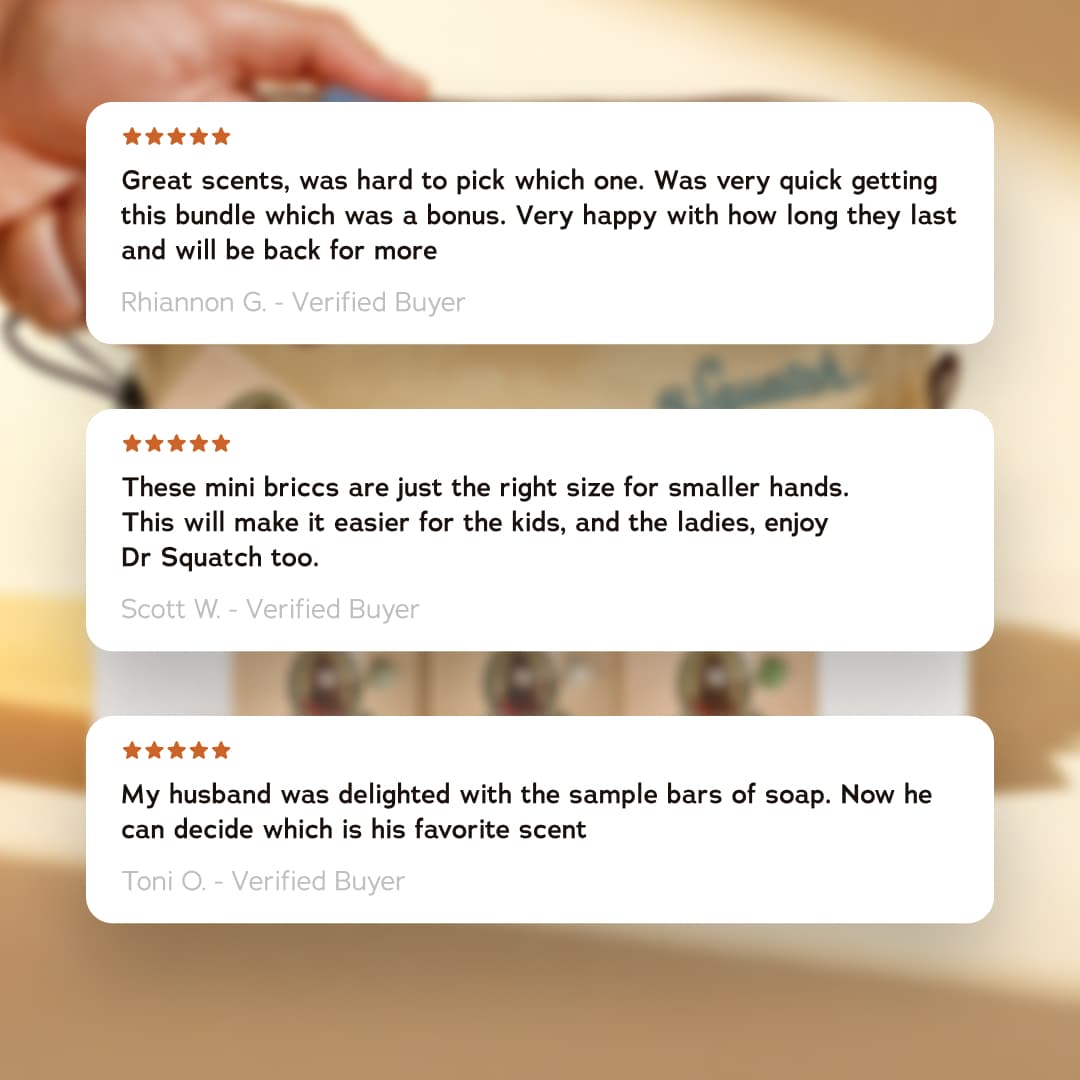
ReviewsBuild social proof.
What's included carousel image
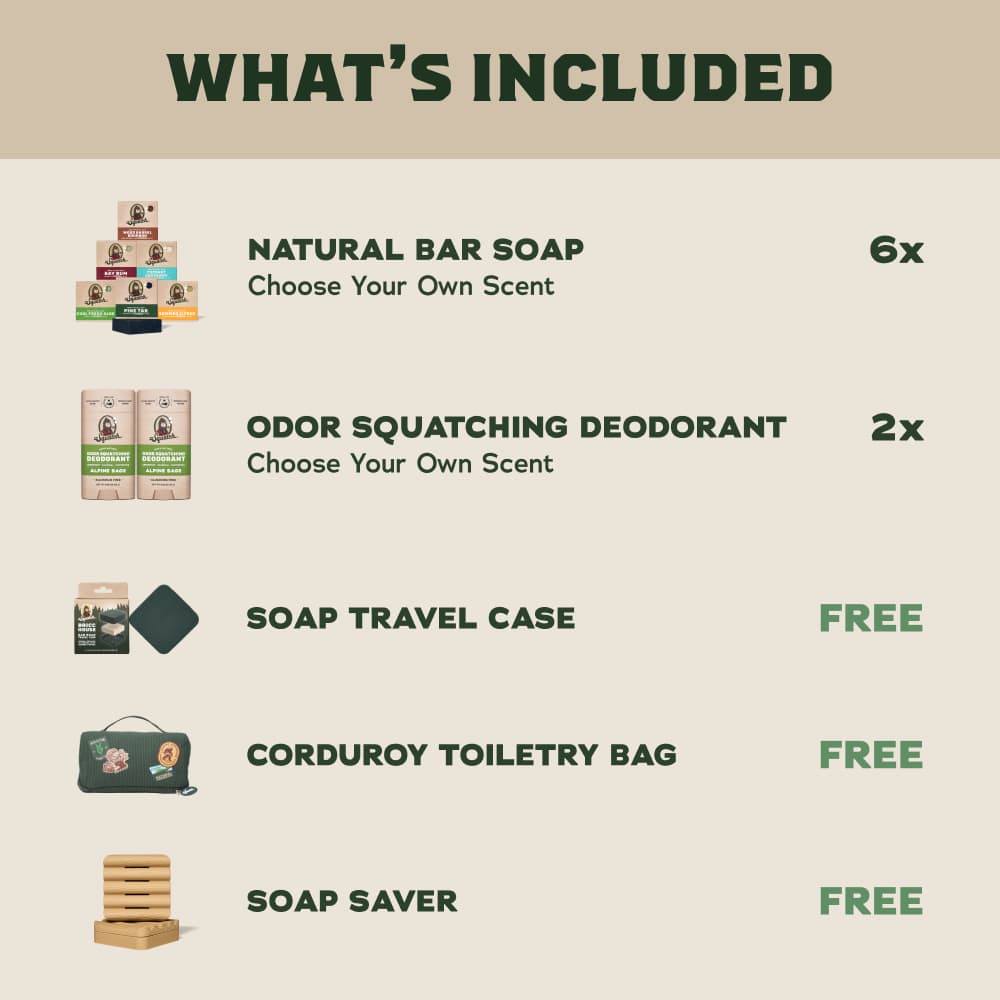
What's IncludedClarify the offer.
Free gifts carousel image
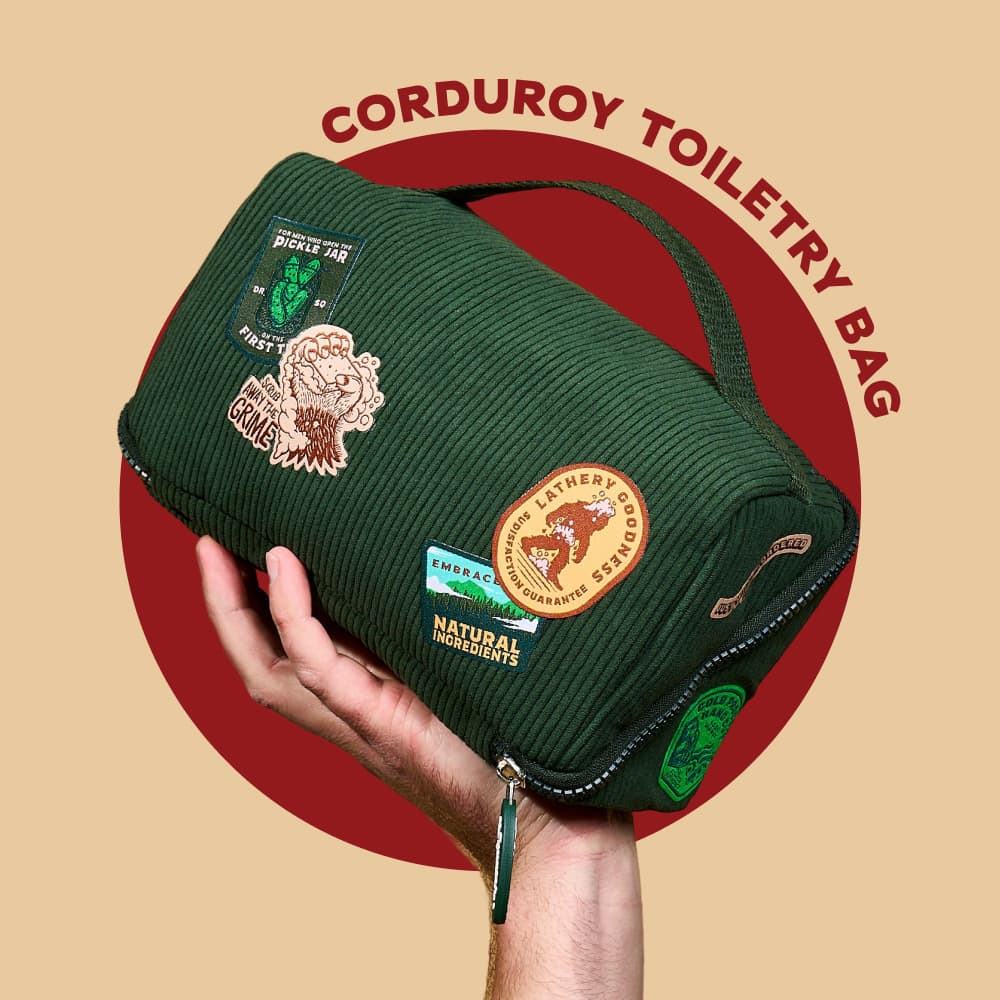
Free GiftsIncrease perceived value.
Benefits carousel image
BenefitsShow customer outcomes.
Product benefits carousel image
Product BenefitsConnect features to value.

Business Impact

I designed the landing page system behind Dr. Squatch's current new-customer acquisition engine, supporting nearly $1M/month in ad spend, 55K+ acquired customers, and $17M+ in measured spend across 22+ pages.

The current top NCO pages are not isolated wins. They are the result of a repeatable system for building acquisition pages that educate, persuade, and convert cold traffic while protecting contribution margin.

Pages owned
22+
NCO landing pages designed and owned since early 2024
Measured spend
$17M+
Lifetime ad spend flowing through pages I designed
Customers acquired
55K+
New customers acquired through my page portfolio
Current run-rate
$977K
Monthly NCO spend through current top pages
Landing page
Customers
Ad spend
ROI
CM
NCO page 1
4,233
$614K
32.7%
65.0%
NCO page 2
6,204
$1.21M
28.5%
64.1%
NCO page 3
4,143
$677K
27.3%
65.7%
NCO page 4
165
$24K
32.1%
60.0%

Features Design

Dynamic Bundle Builder

I designed a new tiered bundle builder PDP for bar soap that brings custom bundling, tiered pricing, and subscription into one flexible shopping experience. Customers can build a pack from 3 to 12 bars, unlock better pricing as they add more, and choose between one-time purchase or Subscribe & Save.

Opportunity

Subscription Growth

Goal
Make subscribing feel more flexible and accessible from the PDP.
Design Execution
Subscribe & Save purchase option with dynamic savings and configurable default selection.
Opportunity

Bundle Flexibility

Goal
Give customers more control over how many products they add.
Design Execution
Inline quantity steppers on product cards with clear minimum and maximum states.
Opportunity

Pricing Clarity

Goal
Help customers understand how quantity changes value.
Design Execution
Tier progress milestones with dynamic per-unit price, total price, and savings updates.

In planning, we translated the growth goals into product requirements: flexible bundle quantity, tiered pricing milestones, one-time and subscription options, dynamic price updates, and configurable default bundles for paid traffic.

Requirement

3-12 Bar Builder

Customers needed to build a bundle at their preferred quantity, with clear minimum and maximum states.

Finished Design

Quantity Selection

Upload final design image here
Requirement

Tiered Pricing

The builder needed to show how adding more bars changes per-unit price, total price, and savings.

Finished Design

Pricing States

Upload final design image here
Requirement

Purchase Options

Customers needed to switch between One-time and Subscribe & Save without leaving the builder.

Finished Design

Subscribe & Save

Upload final design image here
Requirement

Mobile Review

On mobile, customers needed a persistent way to review their pack and add to cart while scrolling.

Finished Design

Sticky CTA + Drawer

Upload final design image here

We mapped the core paths for building from scratch, landing on a pre-configured pack, switching between Subscribe and One-time, editing quantities, and handling rules like minimum quantity, max quantity, Limited Edition gating, and out-of-stock scents.

[ Show: PDP to ATC flow diagram plus edge case matrix ]

I then designed the prototype with product cards, inline quantity steppers, a tier progress bar, dynamic price and savings updates, purchase option cards, and a disabled CTA until the customer reached the 3-bar minimum.

[ Show: main builder UI, pricing milestones, sticky CTA, editable drawer, and final desktop/mobile screens ]

The prototype aligned design, engineering, and leadership around a scalable builder model that could start with bar soap and expand into other categories.

PDP

Modular product detail page that growth could re-arrange per category and per test.

[ PDP content placeholder ]

Cart Free Gift Widget

I redesigned the cart Free Gift widget so promotions could stay flexible without breaking the cart UI. The update helped the experience support more complex gift rules while giving internal teams clearer boundaries for future promo setup.

[ Show: promotion complexity diagram or recreated crowded cart state ]

I translated the business limits into UI rules: up to 3 cart tiers, up to 3 total free gifts, and up to 3 gifts within a single tier.

[ Show: simple rules card with max tiers and max gifts ]

The widget needed to support two paths: customers choosing their own gifts and the business automatically assigning gifts. I mapped both so each state could communicate clearly.

[ Show: customer-selected vs business-prescribed gift flow ]

I designed compact states for locked tiers, unlocked gifts, selected gifts, prescribed gifts, and max gift scenarios so the cart stayed easy to scan across mobile and desktop.

[ Show: locked, unlocked, selected, prescribed, max states, and final cart widget ]

The final design gave customers a clearer free gift experience while helping internal teams stay within UI-safe promotion limits.
CMS Migration

Audit

Inventory of every legacy template, the variants in the wild, and the marketing surfaces in active use.

[ Audit content placeholder ]

Architecture

Content model design — sections, blocks, presets — and the editorial workflow that made it usable.

[ Architecture content placeholder ]

Rollout

Phased migration plan, redirects, and the QA process that kept SEO equity intact.

[ Rollout content placeholder ]

Design System

Tokens

Color, type, spacing, and motion tokens — the primitives that everything else is built from.

[ Tokens content placeholder ]

Components

The shared library of buttons, inputs, cards, and marketing modules — documented and version-tracked.

[ Components content placeholder ]

Governance

How additions are proposed, how changes are reviewed, and how we keep design and code in sync.

[ Governance content placeholder ]

Let's Work Together

Good Design Starts with a Good Intention.